

In 2026, the home-based business landscape will look more professional, more competitive, and far more automated than it does today. Customers will expect fast replies, accurate answers, and frictionless experiences—whether they’re buying a digital course at midnight, booking a service appointment on Sunday morning, or requesting a refund while you’re at a family event. For many solo founders and small teams, that level of responsiveness used to require hiring staff or sacrificing personal time.
That’s where AI-powered customer support becomes a game changer.
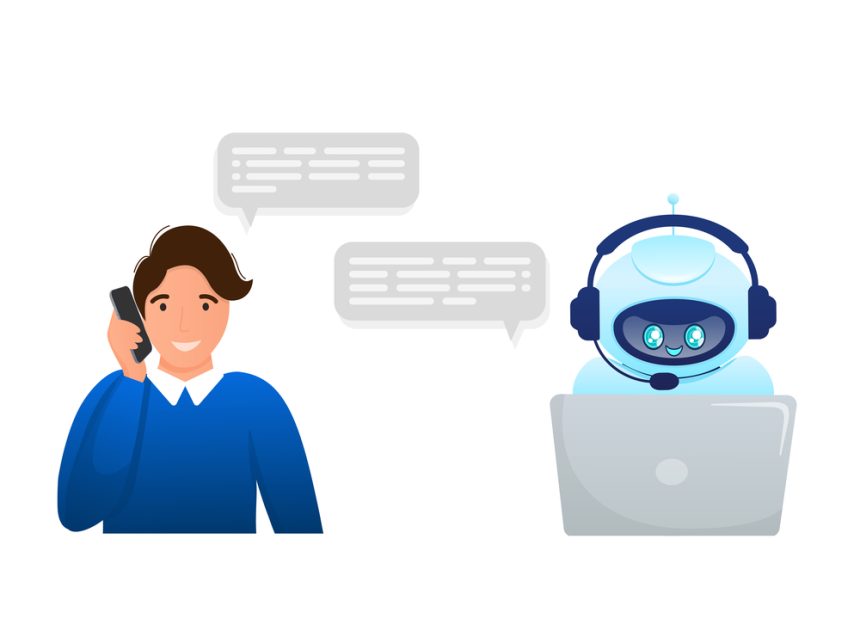
Think of it as a “24/7 micro team”: a set of AI agents and automations working together to answer questions, route requests, update systems, and keep customers moving forward—without you being glued to your inbox. In 2026, home-based businesses will use these tools not just to handle support, but to drive growth, protect time, and create a smoother customer journey that increases conversions and retention.
The Shift: From “Customer Support” to “Customer Momentum”
Traditional support is reactive: a customer has a problem, you fix it. In 2026, support will increasingly be proactive and revenue-aware. AI-powered support systems will monitor customer behavior—like abandoned carts, stalled onboarding, failed payments, or repeated help-center searches—and step in to help before frustration builds.
Instead of waiting for an email that starts with “I’m confused,” your micro team will automatically:
-
Offer the right answer at the right time (on-site, in chat, or by email)
-
Provide quick troubleshooting steps
-
Escalate urgent cases to you when needed
-
Recommend the next best action (upgrade, add-on, renewal, booking)
The result is customer momentum: fewer delays, fewer drop-offs, and fewer “support tickets” that turn into refunds.
What the 24/7 “Micro Team” Looks Like in a Home-Based Business
In practical terms, the micro team is not one chatbot. It’s a small ecosystem of AI tools and workflows working together like a lean service desk. In 2026, many home-based businesses will run a setup that includes:
1) Frontline AI Chat Agent
This is the first responder on your website, landing pages, and checkout screens. It answers FAQs, explains services, provides product recommendations, and handles basic troubleshooting.
2) Inbox + DMs Triage Agent
An AI assistant monitors incoming emails, contact forms, Facebook messages, Instagram DMs, and even SMS. It tags intent (billing, sales question, technical issue), drafts responses, and routes items to the right place.
3) Knowledge Base Manager
When a new question appears often, the system suggests a new FAQ entry or updates existing help docs. Over time, your business becomes easier to support because the answers get sharper.
4) Billing & Order Support Automations
For e-commerce, subscriptions, and digital products, AI can guide customers through common tasks like updating cards, downloading receipts, tracking orders, or resending login links—without manual intervention.
5) Escalation & Human Handoff Layer
When a situation is sensitive (refund disputes, angry customers, compliance issues), the AI flags it and hands it to you with a clean summary, suggested reply, and recommended next steps.
This “micro team” gives you enterprise-style responsiveness while you still operate from a home office.
Why AI Support Will Be a Growth Engine in 2026
Home-based businesses will embrace AI support because it directly impacts growth metrics—not just workload.
Faster replies increase conversions
Many prospective customers have pre-purchase questions: “Does this work for my situation?” “How fast can you start?” “Do you offer refunds?” In 2026, the businesses that respond instantly will win more sales—especially in competitive niches like marketing services, coaching, web design, bookkeeping, and local services.
An AI agent that answers instantly—and confidently—reduces hesitation and keeps prospects moving toward “Buy” or “Book.”
Better onboarding reduces churn
For subscriptions, memberships, and online education, churn often starts in the first week. Customers get stuck, forget how to access something, or don’t understand the next step. Your micro team can guide onboarding automatically with:
-
step-by-step instructions
-
progress reminders
-
quick “how-to” answers
-
check-ins triggered by inactivity
That improves activation, and activation is one of the strongest predictors of retention.
Support becomes a source of upsells (without being pushy)
In 2026, AI support will be trained to recognize intent. If a customer asks, “Can this do X?” the system can respond with the right solution—sometimes that’s a higher plan, an add-on, or a premium service. Done well, it feels helpful, not salesy.
For a home-based business, this creates “assisted selling” at scale—something that used to require a dedicated sales team.
Automation Wins: What Gets Taken Off the Owner’s Plate
The clearest benefit for a solo operator is time. In 2026, AI-powered customer support will routinely automate:
-
answering common questions (pricing, hours, policies, features)
-
scheduling changes and appointment confirmations
-
basic tech troubleshooting (logins, access, setup steps)
-
order updates, shipping questions, and delivery ETA guidance
-
refund policy explanations and guided refund requests
-
lead capture and qualification (“What’s your budget and timeline?”)
-
summarizing conversations and generating follow-up tasks
This means fewer interruptions, fewer late-night messages, and fewer days that feel like nonstop customer service instead of building the business.
The Competitive Advantage: Small Brands That Feel “Always Open”
In the past, “always-on” support was a big-company advantage. In 2026, it becomes accessible to home-based businesses. That shift changes the competitive landscape.
A solo consultant can feel like a full agency.
A single e-commerce owner can feel like a staffed store.
A course creator can feel like a supported learning platform.
Customers don’t necessarily care whether you have a team of ten. They care whether the experience is smooth, fast, and trustworthy. AI support helps you deliver that consistently.
Guardrails That Matter in 2026
AI support is powerful—but it needs boundaries. The most successful home-based businesses will treat AI like a trained assistant, not a free-for-all.
Key guardrails include:
-
Clear escalation rules: when to hand off to a human (billing disputes, legal concerns, safety issues)
-
Approved knowledge sources: keep answers tied to your policies, product docs, and verified information
-
Tone controls: match your brand voice—friendly, professional, local, luxury, or playful
-
Privacy protection: avoid exposing sensitive customer information and use secure authentication flows
-
Continuous improvement: review transcripts, tighten FAQs, and refine workflows monthly
The goal is a support system that’s fast and reliable.
The Bottom Line: AI Support Is the New “First Hire”
In 2026, many home-based business owners won’t hire a customer service rep first. They’ll build an AI-powered micro team first—then hire humans later for high-touch experiences and specialized work. That sequence flips the old model.
AI-powered customer support is no longer just a convenience. It’s a growth strategy: it increases conversions, reduces churn, enhances brand credibility, and gives owners back their most valuable resource—focused time.
If you’re building a home-based business in 2026, the question won’t be whether you use AI for customer support. The question will be how well your micro team is trained, how smoothly it escalates issues, and how effectively it turns support into a better customer journey—day or night.