
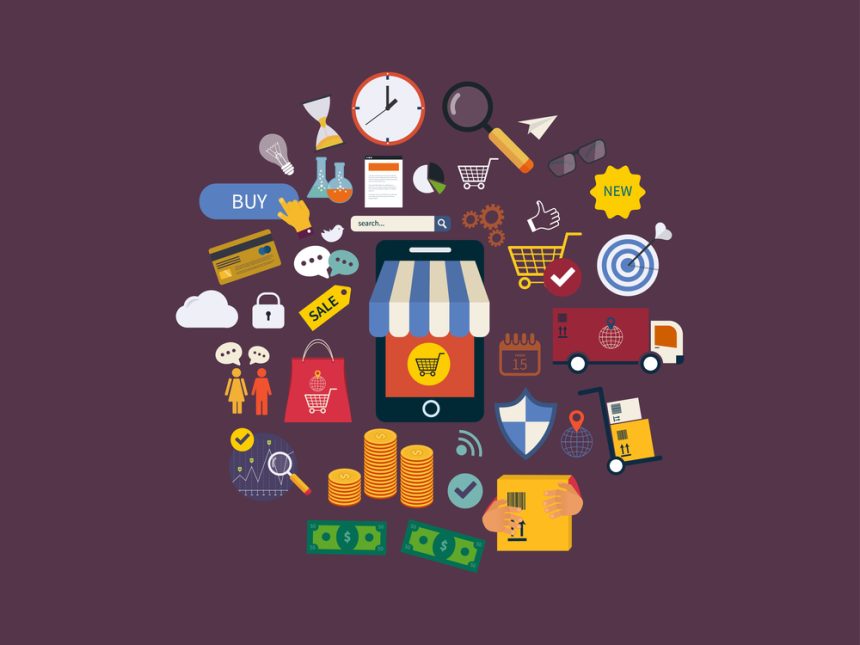
In 2026, the “work-from-home business” conversation isn’t just about replacing a paycheck—it’s about building a flexible asset. And three models stand out as some of the best opportunities for everyday entrepreneurs who want to start lean, move fast, and scale with modern tools: e-commerce, print-on-demand (POD), and micro-brands.
Why these three? Because they match what the market wants right now: convenience, personalization, niche identity, fast shipping expectations, and products that feel curated—not mass-produced. They also match what founders need: lower startup costs than traditional retail, a clear path to automation, and the ability to run operations from a laptop.
Let’s break down why these models are especially strong in 2026—and how you can position yourself to win.
1) Consumer buying behavior is still “online-first,” and that’s not changing in 2026
Shoppers don’t just buy online—they start online. They discover products through TikTok, Instagram Reels, YouTube Shorts, Pinterest, Google search, and influencer recommendations. Even when someone eventually buys in-store, the research often happens digitally.
That online-first behavior creates a huge advantage for home-based founders: you don’t need expensive retail space to compete. You need a focused offer, a strong product page, and a reliable fulfillment plan. If you can create trust and communicate value clearly, you can sell from anywhere.
The 2026 edge: platforms, creators, and communities reward niche relevance. Bigger brands can be slow to adapt; micro-brands can pivot quickly, speak directly to a specific audience, and build loyalty faster.
2) Print-on-demand lowers risk and makes product launches faster than ever
Print-on-demand is one of the most beginner-friendly ways to start e-commerce because it removes two major barriers: inventory risk and upfront manufacturing costs.
Instead of buying 200 units of a product and hoping they sell, POD lets you create designs and list products (shirts, hoodies, hats, mugs, stickers, posters, journals, and more). When an order comes in, the item is produced and shipped by a fulfillment partner.
This isn’t just “easy.” It’s strategic. It lets you test:
-
Which designs people actually buy
-
Which niches respond to your messaging
-
Which price points convert
-
Which products generate repeat purchases
The 2026 advantage: the market is more segmented. People want products that signal identity—hobbies, beliefs, humor, professions, local pride, and micro-communities. POD is perfect for serving those niches quickly.
3) Micro-brands win because customers want identity, not just products
A micro-brand isn’t necessarily small because it’s limited—it’s small because it’s focused. It’s a brand built for a specific audience with a specific vibe. Think: “the go-to brand for left-handed golfers,” “minimalist travel moms,” “blue-collar gym culture,” “Carolina outdoors lifestyle,” or “pet owners who love sarcasm.”
Micro-brands thrive because they deliver something big brands struggle to deliver: belonging.
When you build a micro-brand, you’re not just selling a hoodie or a candle—you’re selling a signal. Customers don’t just purchase; they join.
In 2026, micro-branding is a growth multiplier because:
-
Communities spread products organically (“you’ve got to check this out”)
-
Content feels authentic because it’s niche-native
-
Ads perform better when the targeting and message are precise
-
Repeat purchases increase when the brand becomes part of someone’s identity
4) Automation makes these businesses truly “work from home” (and scalable)
E-commerce used to mean late nights packing boxes in your living room. In 2026, the best operators design businesses that are systems-first.
Here’s what can be automated or outsourced early:
-
Fulfillment: POD partners or 3PL services ship for you
-
Customer support: AI chat + canned workflows handle FAQs
-
Marketing: scheduled content, repurposed videos, email flows
-
Operations: bookkeeping tools, order tracking, inventory alerts
-
Upsells: post-purchase offers and email automations
This is why e-commerce, POD, and micro-brands are not just “side hustle friendly”—they can become scalable without becoming chaotic.
Your goal isn’t to do everything yourself. Your goal is to build a repeatable machine that turns attention into orders, and orders into loyal customers.
5) You can start lean, validate quickly, then expand into higher-margin products
One of the smartest paths in 2026 is a “ladder” approach:
-
Start with POD to validate niche + messaging
-
Build an audience and learn what customers love
-
Add higher-margin products (bundles, premium versions, subscriptions)
-
Graduate into custom manufacturing once demand is proven
POD can be the front door, but micro-brand expansion is where wealth is built.
Once you have traction, you can move beyond basic merch into:
-
custom packaging and unboxing experiences
-
limited drops (scarcity drives demand)
-
collaborations with creators
-
digital add-ons (guides, templates, memberships)
-
premium product lines with stronger margins
In other words: POD helps you start, micro-brand strategy helps you scale.
6) Content + commerce is the new storefront—and it favors home-based founders
In 2026, the brands that win are the brands that can create content. Short-form video, product demos, behind-the-scenes, founder stories, and niche humor aren’t “extra.” They are the storefront.
The good news: you don’t need a studio. You need a phone, consistency, and a clear message.
A home-based micro-brand can outperform bigger competitors because:
-
your content feels real
-
you can respond to trends quickly
-
you can speak the niche language authentically
-
you can build trust faster by being visible as the founder
The creator economy and e-commerce are now merged. If you can make content and sell products that match that content, you have a powerful engine.
7) The best niches in 2026 are specific, value-driven, and emotionally resonant
Broad stores struggle. Focused stores win.
Examples of niche angles that work especially well:
-
“I have a strong opinion” niches (humor, identity, beliefs)
-
lifestyle niches (fitness, outdoors, parenting, travel, home organization)
-
profession niches (realtors, nurses, truckers, teachers, tradespeople)
-
local pride niches (cities, regions, schools, teams—done tastefully)
-
hobby niches (golf, fishing, gaming, gardening, motorcycles, pets)
The micro-brand sweet spot is when you can say:
“This brand is for people like you.”
E-commerce, print-on-demand, and micro-brands are top work-from-home business opportunities for 2026 because they combine low startup risk, fast validation, scalable systems, and modern consumer demand for personalization and identity.
If you want a practical path: start small, pick a niche you understand, launch a tight product line, create consistent content, and let data guide your next move. You don’t need a warehouse or a massive budget—you need clarity, consistency, and the willingness to build a brand people actually want to belong to.
If you’d like, tell me what niche you’re considering (or the audience you want to serve), and I’ll generate:
-
20 micro-brand name ideas
-
a POD product lineup
-
a simple 30-day content plan
-
SEO keywords to target in 2026