
In 2026, home-based businesses won’t win by sending more emails or more text messages. They’ll win by sending better messages—timed perfectly, written for the individual, and tailored to the exact moment someone is ready to take action. That shift is being powered by AI-driven email and SMS marketing that goes far beyond basic “Hi {FirstName}” personalization. We’re entering the era of hyper-personalized campaigns: messaging that adapts to each lead’s behavior, preferences, and buying intent—automatically.
For entrepreneurs running businesses from a spare bedroom, garage office, or kitchen table, this is a game-changer. AI makes it possible to market like a full-scale brand without hiring a big team. With the right setup, your email and SMS system becomes a “micro-marketing department” that works 24/7—capturing leads, following up intelligently, and nudging prospects toward a purchase with minimal manual effort.
Why Hyper-Personalization Becomes the Standard in 2026
Customers are overwhelmed. They’re bombarded by generic newsletters, broad promotions, and one-size-fits-all text blasts. As a result, attention is expensive—and trust is harder to earn. Hyper-personalization solves this by making each message feel relevant, helpful, and intentional.
AI enables home-based businesses to personalize across multiple layers at once:
-
Message content: Offers, benefits, and wording matched to the individual
-
Timing: Messages sent when recipients are most likely to engage
-
Channel selection: Email vs. SMS (or both) based on behavior
-
Cadence: Frequency adjusted to avoid fatigue while staying top of mind
-
Next best action: Automated recommendations based on predicted intent
Instead of “sending campaigns,” you’re orchestrating conversations—at scale.
The AI Marketing Stack Comes Home
In 2026, home-based businesses will increasingly use affordable, plug-and-play tools that combine email automation, SMS marketing, and AI writing/decision engines. This stack often includes:
-
A CRM or customer list platform (to track contacts and interactions)
-
Email + SMS automation software (with workflows, tags, and triggers)
-
AI content tools (for generating subject lines, messages, and variations)
-
AI segmentation and predictive scoring (to identify who’s ready to buy)
-
Analytics dashboards (to learn what’s working and improve automatically)
The big difference in 2026 is that these tools won’t just automate sending—they’ll automate thinking: who should receive what, when, and why.
Smart Segmentation: The End of “One Big List”
Most small businesses start with a single list. AI makes that outdated.
In 2026, AI-driven segmentation will continuously sort subscribers into micro-groups based on:
-
Pages visited on your website
-
Links clicked in emails
-
Replies to SMS prompts
-
Past purchases and average order value
-
Time since last interaction
-
Product categories browsed
-
Stated preferences (collected via short surveys or quizzes)
This means your “list” becomes a living, shifting set of audience clusters. And each cluster receives different messaging automatically.
Example: A home-based fitness coach can separate subscribers into “fat loss,” “strength training,” “busy parents,” “beginner-friendly,” and “meal plan focused” segments—then send tailored offers, tips, and reminders to each without manually managing anything.
Predictive Lead Scoring: Knowing Who’s Ready Before They Buy
One of the most valuable shifts in 2026 is AI-powered lead scoring. Instead of guessing who’s serious, AI assigns a score based on engagement and intent signals.
For a home-based service business—like web design, bookkeeping, coaching, or local marketing—this is huge. AI can spot patterns such as:
-
Someone opening three emails in a week
-
Clicking pricing pages or booking links
-
Reading testimonials or case studies
-
Responding to a text question like “Still interested?”
Then it can trigger a smarter next step:
-
Send a “quick start” offer
-
Invite them to schedule a call
-
Offer a limited-time incentive
-
Move them into a higher-touch follow-up sequence
This helps you stop wasting time on cold leads and focus your energy where it counts.
AI-Created Copy That Matches the Recipient’s Style
In 2026, AI will generate email and SMS copy faster than you can type—but the real win is customization.
AI can adjust messaging to match:
-
Tone (friendly, professional, playful, direct)
-
Length (short SMS vs. deeper email explanation)
-
Benefit angle (saving money vs. saving time vs. reducing stress)
-
Objection handling (price concerns, trust concerns, “not ready yet”)
-
Personal context (what they clicked, viewed, or bought)
Home-based businesses will create a “message library” of proven frameworks, then let AI spin variations optimized for each segment and scenario.
Example: A home-based ecommerce brand can send one subscriber a message emphasizing “fast shipping for last-minute gifts,” while another gets “best value bundle” messaging—based on their browsing behavior.
Behavior-Triggered Workflows: Marketing That Responds Instantly
Hyper-personalized marketing in 2026 will be driven by triggers—actions that automatically launch the right email/SMS sequence.
Common triggers include:
-
New lead opt-in
-
Abandoned cart or checkout start
-
Appointment booked (or missed)
-
Product viewed multiple times
-
Email link click (e.g., pricing, reviews, demo)
-
SMS reply keywords (“YES,” “INFO,” “STOP,” etc.)
-
Purchase completion
-
Subscription renewal window
These triggers power automation flows that feel personal because they’re connected to what the person actually did.
A simple example:
-
Someone downloads your “Free Home Buyer Checklist”
-
AI tags them based on which checklist sections they clicked
-
They receive a tailored email series plus short SMS reminders
-
If they click “mortgage options,” they get an invite to book a quick consult
No manual work. Just a smart system.
Send-Time Optimization: Perfect Timing Without Guessing
Even great messages fail if they arrive at the wrong time. In 2026, AI will increasingly determine the optimal send time for each recipient based on historical behavior.
This includes:
-
The hour they typically open email
-
The days they’re most responsive
-
Whether they engage more with SMS or email
-
How quickly they respond after clicking
For a home-based business, this can boost results dramatically—without writing a single extra email.
Two-Way SMS: Turning Texting into a Sales Assistant
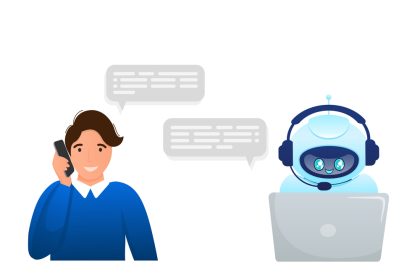
SMS isn’t just a broadcast channel anymore. In 2026, home-based businesses will use AI-powered two-way texting to qualify leads, book appointments, and answer FAQs—automatically.
Examples of automated SMS conversations:
-
“Want help choosing the right plan? Reply 1 for Basic, 2 for Pro.”
-
“Are you still looking to start this month? Reply YES or LATER.”
-
“Quick question—what’s your biggest goal right now?”
AI interprets replies, updates CRM tags, and routes high-intent leads to you (or to a booking link). This creates a near-instant connection that feels personal while staying automated.
Growth Without Burnout: The Real Advantage
Hyper-personalized AI-driven email and SMS in 2026 isn’t just about higher open rates or better conversions—though it delivers both. The bigger benefit is freedom.
Home-based entrepreneurs often wear every hat: marketer, salesperson, customer support, product creator, and admin. AI-driven campaigns reduce that pressure by building a dependable “always-on” marketing engine that:
-
Captures leads consistently
-
Nurtures relationships automatically
-
Converts more customers with less effort
-
Re-engages old leads without awkward manual follow-up
-
Provides data-backed insights to improve continuously
In other words, you’re not working harder—you’re building a system that works smarter.
Final Thoughts: The 2026 Playbook for Home-Based Marketers
The home-based businesses that grow fastest in 2026 won’t be the ones sending the most messages. They’ll be the ones sending the most relevant messages—at the right time, in the right channel, with the right offer—driven by AI.
If you want to compete like a bigger brand without becoming a bigger business, hyper-personalized AI email and SMS is the path forward. Start simple: tighten your segmentation, build a few key automations, and let AI handle personalization and timing. As your system learns, your marketing becomes more effective—and your workload gets lighter.
That’s the future: growth and automation, powered by personalization that finally feels human.