

Print-on-demand (POD) and micro-branding are among the most attractive work-from-home startup business opportunities because entrepreneurs can launch e-commerce brands with relatively low upfront costs, limited inventory risk, automated fulfillment, and access to customers online.
Instead of purchasing hundreds or thousands of products before making a sale, a print-on-demand entrepreneur can create products that are manufactured after customers order them. Combine that model with micro-branding—building a specialized brand around a clearly defined audience—and entrepreneurs have a flexible way to test ideas and potentially build a scalable online business.
What Is a Print-on-Demand Business?
Print-on-demand is an e-commerce business model where products are produced or customized after a customer places an order. A third-party POD provider typically prints the product and handles fulfillment and shipping.
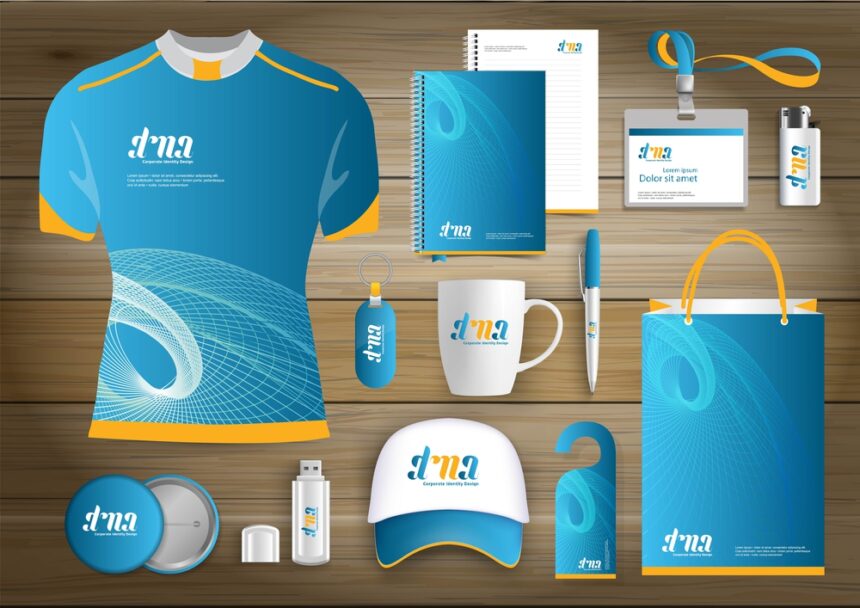
Popular print-on-demand products include:
- T-shirts and sweatshirts
- Hats
- Coffee mugs
- Tote bags
- Posters and wall art
- Stickers
- Phone cases
- Journals
- Blankets and pillows
- Personalized gifts
The entrepreneur primarily concentrates on product ideas, designs, branding, marketing, customer acquisition, and customer service, while the supplier handles much of the manufacturing and fulfillment process.
This division of responsibilities makes POD particularly suitable for operating from home.
What Is Micro-Branding?
Micro-branding is the process of creating a highly focused brand designed to appeal to a specific niche or community.
Instead of starting a general clothing company that attempts to compete with major retailers, an entrepreneur might create a brand specifically for golfers, pickleball players, teachers, nurses, dog owners, campers, RV travelers, gamers, entrepreneurs, or grandparents.
For example, instead of simply selling golf shirts, an entrepreneur could develop a humorous lifestyle brand specifically for weekend golfers.
The goal is to make customers feel:
“This brand was made for people like me.”
Combining print-on-demand with micro-branding allows entrepreneurs to develop products for highly targeted audiences without necessarily investing heavily in inventory.
Why Is Print-on-Demand a Good Work-From-Home Business?
Print-on-demand can be an attractive home-based startup because it combines low financial barriers, flexible operations, e-commerce growth, automated fulfillment, and niche marketing opportunities.
Some of its biggest potential advantages include:
- Relatively low startup costs
- Little or no inventory requirements
- Ability to work from home
- Access to niche markets
- Automated order fulfillment
- Ability to test products inexpensively
- Large online customer base
- Potential for repeat sales
- Opportunities to build multiple product lines
- Ability to develop a valuable long-term brand
These advantages can make POD accessible to both first-time entrepreneurs and experienced business owners looking for additional revenue streams.
1. Print-on-Demand Can Have Low Startup Costs
Traditional retail businesses often require substantial upfront investment.
An entrepreneur might have to purchase hundreds of products, rent storage space, buy packaging supplies, and manage fulfillment before knowing whether customers actually want the merchandise.
Print-on-demand changes that equation.
Because merchandise is generally produced after an order is received, entrepreneurs can potentially launch with expenses primarily related to their website, e-commerce platform, designs, product samples, marketing, and advertising.
This makes it possible to start small and reinvest revenue as the business grows.
2. Entrepreneurs Can Reduce Inventory Risk
One of the greatest risks in retail is purchasing inventory that doesn’t sell.
Imagine spending $10,000 manufacturing a product only to discover that consumers aren’t interested.
Print-on-demand can significantly reduce this risk.
If a particular design isn’t selling, the entrepreneur can remove it from the store and test another.
This makes POD useful for testing:
- Designs
- Slogans
- Product categories
- Audiences
- Niches
- Prices
- Seasonal products
- Marketing messages
Entrepreneurs can use actual customer behavior to determine which ideas deserve additional investment.
3. Micro-Brands Can Target Highly Specific Niches
One of the biggest advantages of micro-branding is that you don’t need everyone to become your customer.
You need the right customers.
Consider how many communities exist online around interests such as golf, fishing, camping, fitness, pets, travel, sports, occupations, parenting, hobbies, entrepreneurship, and entertainment.
Each category contains numerous smaller niches.
Instead of targeting golfers, for example, a business could target:
Golf dads → retired golfers → women golfers → beginner golfers → weekend golfers → golf travelers.
The more clearly entrepreneurs define their target customers, the easier it becomes to create products and marketing messages specifically for them.
4. Social Media Can Help Build Micro-Brands
Micro-brands are particularly well suited for social media because social platforms bring people together around interests.
Instead of constantly advertising products, businesses can publish content that their target audiences actually enjoy.
A camping brand could share camping tips.
A golf brand could publish humorous golf videos.
A pet brand could feature customer pets.
A fitness brand could publish motivational content.
This approach allows entrepreneurs to build a community around the lifestyle associated with their products.
Customers aren’t simply purchasing merchandise. They’re buying products representing something they enjoy or identify with.
5. POD Businesses Can Be Operated From Home
Print-on-demand is especially attractive as a home-based business opportunity because many daily responsibilities can be managed from a computer.
An entrepreneur can potentially manage:
Product development, website updates, advertising, social media, email marketing, customer service, analytics, bookkeeping, and supplier relationships from a home office.
Because third-party companies can handle manufacturing and fulfillment, entrepreneurs don’t necessarily need warehouses, manufacturing equipment, or employees packing boxes.
This flexibility also makes POD a potential side-hustle business opportunity.
Someone can begin during evenings and weekends and expand the business if sales increase.
6. Automation Can Make POD Businesses Scalable
A major advantage of modern e-commerce is automation.
A typical POD transaction can look like this:
Customer places order → POD supplier receives order → product is manufactured → supplier ships product → customer receives tracking information.
The entrepreneur doesn’t necessarily have to manually process every transaction.
Other areas can also be automated, including:
- Email marketing
- Abandoned-cart reminders
- Order confirmations
- Customer follow-ups
- Retargeting campaigns
- Social media scheduling
- Review requests
Automation can help entrepreneurs serve more customers without increasing their workload at exactly the same rate.
7. Successful Micro-Brands Can Generate Repeat Customers
The long-term opportunity isn’t simply selling one T-shirt.
It’s developing a brand customers remember and buy from repeatedly.
Suppose an entrepreneur launches a successful micro-brand for pickleball enthusiasts.
The company might initially sell shirts before expanding into hats, mugs, towels, tote bags, stickers, hoodies, and gifts.
Instead of continually paying to acquire new customers, the company can market new products to people who have already purchased.
Email lists, loyalty programs, limited-edition products, seasonal collections, and new-product launches can encourage repeat purchases.
8. POD Allows Entrepreneurs to Test Business Ideas
Print-on-demand can function as a relatively inexpensive market-testing system.
Entrepreneurs can launch products and analyze metrics such as:
- Website traffic
- Advertising costs
- Click-through rates
- Conversion rates
- Average order value
- Profit margins
- Repeat purchases
- Customer acquisition costs
If customers respond positively, the business can invest more heavily in the successful products.
If they don’t, the entrepreneur can modify the concept without necessarily being stuck with thousands of dollars in unsold merchandise.
9. Micro-Brands Can Reach Customers Worldwide
A home-based business isn’t necessarily limited to local customers.
E-commerce provides access to consumers across the country and potentially around the world, depending on supplier availability, shipping costs, taxes, and other considerations.
This is especially important for niche businesses.
A highly specialized market might seem small locally but contain hundreds of thousands of potential customers nationally or internationally.
That means entrepreneurs can go narrow with their niche while potentially going broad geographically.
10. A Successful Micro-Brand Can Become a Valuable Business Asset
Perhaps the biggest opportunity isn’t print-on-demand itself.
It’s the brand being built around it.
A random online store containing dozens of unrelated products can be difficult for customers to remember.
A strong micro-brand has a recognizable:
- Name
- Target audience
- Visual identity
- Personality
- Message
- Product style
- Community
- Customer experience
Over time, successful entrepreneurs may even move beyond print-on-demand.
Once demand for particular products is proven, they might purchase inventory in bulk, negotiate better manufacturing costs, introduce proprietary products, develop wholesale relationships, or expand into additional distribution channels.
Print-on-demand can therefore serve as the starting point rather than the final business model.
Is Print-on-Demand Passive Income?
Print-on-demand can automate many operational tasks, but it should not be considered completely passive income.
Successful POD businesses still require market research, product development, design work, marketing, advertising, customer service, financial management, and ongoing optimization.
Competition can also be significant.
Entrepreneurs need to consider supplier reliability, product quality, shipping times, advertising expenses, returns, profit margins, trademarks, copyrights, and other intellectual-property issues.
The businesses most likely to stand out are those offering original products, focused branding, strong customer experiences, and consistent marketing.
How Do You Start a Print-on-Demand Micro-Brand?
A simple startup process is:
Choose a niche → research the audience → develop a brand → create original designs → select products → choose a POD supplier → build an online store → order samples → launch → market → measure results → improve successful products.
Avoid trying to create dozens of products immediately.
A better approach may be launching a small collection, gathering customer feedback, and expanding around the products that generate actual sales.
Frequently Asked Questions
Is print-on-demand good for beginners?
Print-on-demand can be beginner-friendly because it reduces the need for large inventory purchases and allows entrepreneurs to test products before making substantial investments.
How much does it cost to start a print-on-demand business?
Startup costs vary depending on the website, e-commerce platform, design tools, product samples, advertising, and marketing strategy. One advantage is that entrepreneurs can often begin without purchasing large quantities of inventory.
What are good niches for print-on-demand?
Potential niches include hobbies, sports, professions, pets, travel, outdoor recreation, fitness, parenting, local interests, entertainment, and lifestyle communities. The best niche combines identifiable customer demand with opportunities for original branding and products.
Can you run a print-on-demand business from home?
Yes. Many POD businesses can be operated from a home office because third-party suppliers handle production and shipping while the entrepreneur manages branding, marketing, customer service, and business operations online.
Can print-on-demand become a full-time business?
Potentially. Results vary significantly, but successful entrepreneurs can expand product lines, improve marketing, develop repeat customers, build email lists, and grow their brands into larger e-commerce businesses.
The Bottom Line: Build a Brand, Not Just a POD Store
Print-on-demand and micro-branding are top work-from-home startup business opportunities because they combine relatively low startup costs, reduced inventory risk, niche marketing, e-commerce, automation, and scalability.
However, the greatest opportunity isn’t simply uploading designs and waiting for sales.
It’s building a recognizable micro-brand around a clearly defined audience.
Start with one niche. Understand what those customers care about. Develop original products specifically for them. Test your ideas, measure the results, and expand what works.
You don’t have to create the next billion-dollar apparel company to build a successful e-commerce business.
Sometimes the smarter opportunity is becoming the favorite brand of one very specific—and very loyal—group of customers.