

The business landscape continues to evolve rapidly, and few opportunities offer the flexibility, scalability, and income potential of e-commerce and dropshipping businesses. As we move into 2026, more entrepreneurs than ever are looking for ways to generate income from home while minimizing startup costs and reducing financial risk. E-commerce and dropshipping have emerged as two of the most attractive business models for aspiring entrepreneurs, side hustlers, and home-based business owners.
Thanks to advances in technology, artificial intelligence, global logistics networks, and user-friendly online platforms, launching an online store has never been easier. Whether you’re looking to create a full-time income, build a side hustle, or develop a long-term asset that generates passive revenue, e-commerce and dropshipping provide a powerful path to business ownership.
What Is E-Commerce?
E-commerce refers to the buying and selling of products online. Business owners can sell physical products, digital products, subscriptions, or services through an online store.
Popular e-commerce platforms include Shopify, WooCommerce, BigCommerce, Wix, and other online marketplace solutions that allow entrepreneurs to quickly build professional websites and start accepting orders.
Unlike traditional retail businesses, e-commerce stores operate 24 hours a day, allowing customers to shop whenever it’s convenient for them.
What Is Dropshipping?
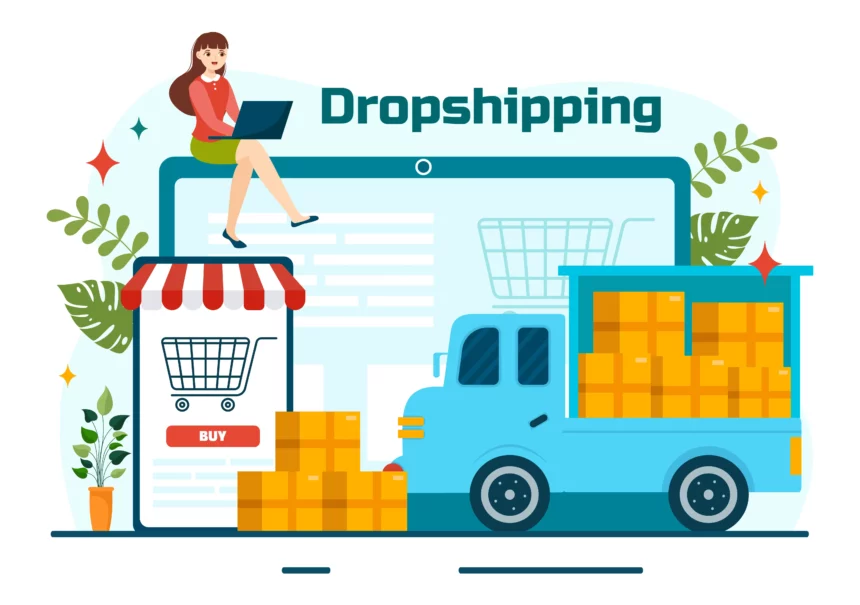
Dropshipping is a specialized form of e-commerce where the store owner sells products without carrying inventory. When a customer places an order, the supplier ships the product directly to the customer.
This business model eliminates many of the challenges associated with traditional retail, including:
- Inventory storage
- Warehouse costs
- Bulk purchasing
- Shipping logistics
- Inventory management
The result is a lean, low-overhead business that can be managed entirely from home.
Low Startup Costs Make It Accessible
One of the biggest reasons e-commerce and dropshipping are expected to remain top startup opportunities in 2026 is their affordability.
Traditional retail businesses often require:
- Storefront leases
- Utility expenses
- Large inventory investments
- Employee payroll
- Equipment purchases
In contrast, many e-commerce businesses can be launched for a few hundred dollars or less.
Entrepreneurs typically need:
- A domain name
- Website hosting
- An e-commerce platform subscription
- Product sourcing
- Marketing budget
Because startup costs are significantly lower, business owners can test ideas and validate products without risking substantial amounts of capital.
Operate from Anywhere
Modern entrepreneurs value freedom and flexibility. E-commerce and dropshipping businesses can be operated from virtually anywhere with an internet connection.
Whether working from:
- A home office
- A coffee shop
- A co-working space
- While traveling
Business owners can manage products, customer orders, advertising campaigns, and customer service remotely.
This location independence makes e-commerce particularly attractive to remote workers, digital nomads, retirees, military families, and stay-at-home parents.
Unlimited Scalability
Unlike many service-based businesses where income is tied directly to time, e-commerce businesses offer exceptional scalability.
A store can begin with a handful of products and gradually expand into:
- Hundreds of products
- Multiple product categories
- International markets
- Private-label brands
- Subscription programs
The same systems used to process ten orders per week can often handle hundreds or thousands of orders with the help of automation.
This scalability creates opportunities for significant long-term growth and profitability.
AI Makes Running an Online Store Easier
Artificial intelligence is transforming e-commerce in 2026.
Today’s business owners can use AI tools to:
- Write product descriptions
- Create marketing content
- Generate social media posts
- Build advertising campaigns
- Analyze customer behavior
- Improve customer service
- Forecast sales trends
AI-powered chatbots can provide customer support 24/7, while automation tools handle repetitive tasks that once required employees.
These technologies allow solo entrepreneurs to operate businesses that appear much larger and more sophisticated than they actually are.
Access to Global Markets
Traditional local businesses are limited by geography. E-commerce businesses can sell products to customers around the world.
With international shipping solutions and global payment processing systems, entrepreneurs can reach millions of potential customers.
This expanded market creates opportunities to:
- Increase sales volume
- Diversify revenue sources
- Reduce dependence on local economic conditions
- Discover profitable niche markets
The ability to serve customers worldwide gives e-commerce businesses a major competitive advantage.
Wide Variety of Product Opportunities
One of the most appealing aspects of dropshipping and e-commerce is the endless variety of products that can be sold.
Popular categories for 2026 include:
- Health and wellness products
- Home organization solutions
- Pet supplies
- Outdoor recreation gear
- Smart home accessories
- Eco-friendly products
- Personal development resources
- Fitness equipment
- Travel accessories
- Hobby and craft products
Entrepreneurs can select niches that match their interests, experience, or market demand.
Passion for a niche often translates into stronger branding, better customer engagement, and long-term success.
Multiple Revenue Streams
Successful e-commerce businesses frequently expand beyond product sales.
Additional revenue opportunities include:
- Affiliate marketing
- Subscription programs
- Membership communities
- Digital downloads
- Online courses
- Advertising partnerships
- Product bundles
- Private-label products
Diversifying revenue sources can increase profitability while creating more stable and predictable cash flow.
Data-Driven Decision Making
Unlike many traditional businesses, e-commerce platforms provide detailed analytics and performance data.
Business owners can track:
- Website traffic
- Conversion rates
- Customer behavior
- Product performance
- Advertising ROI
- Customer acquisition costs
This data helps entrepreneurs make informed decisions based on real customer activity rather than guesswork.
The ability to continually optimize products, pricing, and marketing campaigns creates a powerful advantage for online retailers.
Build a Valuable Long-Term Asset
An e-commerce business is more than just a source of income—it can become a valuable asset.
As the business grows, owners develop:
- Customer databases
- Brand recognition
- Search engine rankings
- Social media audiences
- Supplier relationships
- Recurring revenue streams
Well-established online businesses can often be sold for significant multiples of their annual profits.
For entrepreneurs focused on long-term wealth creation, e-commerce offers both income potential and equity value.
Perfect for Side Hustlers
Many successful e-commerce entrepreneurs start part-time while maintaining full-time employment.
Because online stores can operate around the clock, business owners can work evenings, weekends, or whenever their schedule allows.
This flexibility reduces financial risk while allowing entrepreneurs to build their businesses gradually.
Once revenue becomes consistent, many owners transition into full-time entrepreneurship.
The Future Looks Bright for E-Commerce
Consumer behavior continues shifting toward online shopping, and industry forecasts indicate that global e-commerce sales will continue expanding throughout the decade.
Advancements in:
- Artificial intelligence
- Mobile commerce
- Social commerce
- Automated fulfillment
- Digital marketing
- Global logistics
will make online business ownership even more accessible in the coming years.
Entrepreneurs who establish their online presence now position themselves to benefit from these ongoing trends.
Conclusion
E-commerce and dropshipping businesses represent some of the most exciting work-from-home startup opportunities for 2026. Their low startup costs, flexible work environment, global reach, scalability, and ability to leverage AI-powered tools make them ideal for aspiring entrepreneurs seeking financial independence and lifestyle flexibility.
Whether you’re looking to launch a side hustle, replace a traditional job, or build a valuable long-term business asset, e-commerce and dropshipping provide a proven path to success. With the right niche, effective marketing strategy, and commitment to continuous learning, entrepreneurs can create thriving online businesses that generate income from virtually anywhere in the world.
As technology continues to simplify operations and online shopping continues to grow, there has never been a better time to explore the opportunities available in the world of e-commerce and dropshipping.